
What Is the Perfect Poo? A Guide to Healthy Bowel Movements
Talking about bowel movements isn’t always comfortable, but understanding what’s normal is an important part of caring for your digestive and overall bowel health.
Your stool can offer valuable insight into how your gut is functioning, whether your diet is supporting you well, and when it may be time to seek specialist advice.
Why Your Bowel Movements Matter
Your stool is one of the clearest indicators of your digestive health. It can reflect:
How well you’re digesting food
Your hydration levels
Fibre intake
Nutrient absorption
Early signs of gastrointestinal symptoms or underlying conditions
If your bowel movements change noticeably or stay irregular, your body may be signalling that something needs attention.
The Bristol Stool Chart: Understanding Stool Types
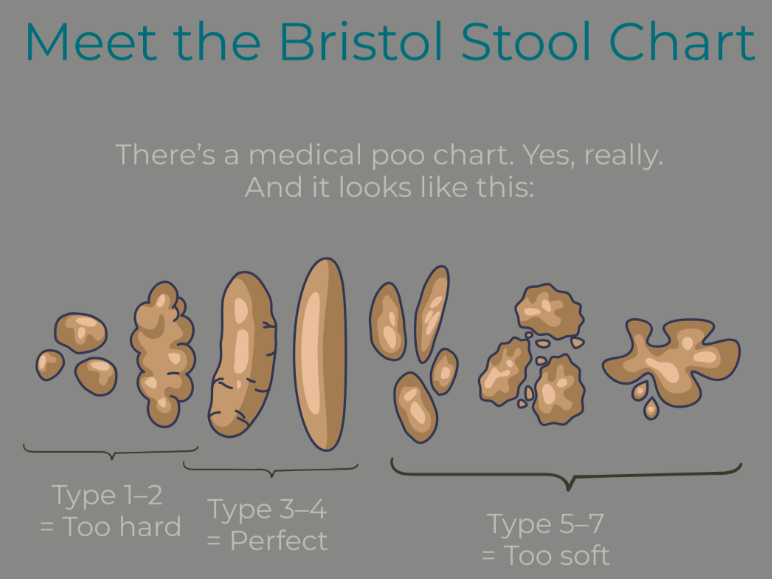
Clinically, bowel specialists use the Bristol Stool Form Scale to classify stool into seven types—from hard pellets to watery diarrhoea.
Types 3 and 4 are considered ideal: smooth, soft, well-formed, and easy to pass.
These types usually indicate healthy digestion and adequate fibre and hydration.
Characteristics of a Healthy (“Perfect”) Poo
1. Regularity
Most people pass stool once a day, but anywhere from three times a day to three times a week can be normal — as long as your pattern is consistent and not accompanied by discomfort.
2. Easy to Pass
Healthy bowel movements should not require straining or prolonged time on the toilet. Minimal effort is ideal.
3. Medium-Brown Colour
A healthy stool is usually medium brown. Colours such as black, red, grey, or pale stools may indicate dietary factors — or, in some cases, conditions requiring review.
4. Typically Sinks
Stool may occasionally float due to gas, but frequent floating can suggest malabsorption — something worth discussing with your practitioner.
When Stool Changes: What It May Mean
Hard, dry stools: dehydration, inadequate fibre, or constipation.
Loose or watery stools: possible food intolerance, infection, or IBS.
Greasy or foul-smelling stools: may signal poor fat absorption.
Blood in stool: always requires review, even if you suspect haemorrhoids.
Any persistent changes in bowel habits should be assessed by a bowel health professional.
How to Support Healthy Bowel Movements
These simple habits can meaningfully improve bowel regularity and comfort:
Increase Fibre Intake
Aim for 25–38g of fibre daily from fruits, vegetables, whole grains, and legumes. Increase gradually to avoid discomfort.
Stay Hydrated
Water softens stool and supports smooth, comfortable bowel movements.
Move Regularly
Physical activity stimulates gut motility. Even a daily walk can improve digestive function.
Establish a Routine
Your bowel responds well to consistency. Many people find morning is the easiest time to pass stool, especially after food or warm fluids.
Review Medications if Needed
Certain medications — including iron, opioids, or antacids — can affect bowel habits. Speak to your practitioner if symptoms begin after starting a new medication.
When to See a Specialist
Book a review if you experience:
Blood in your stool
Persistent diarrhoea or constipation
Significant changes in your bowel pattern for more than two weeks
Unexplained weight loss
Pain with bowel movements
Ongoing gastrointestinal symptoms that don’t improve
Early assessment helps identify the cause and supports personalised treatment to restore bowel health.
How Bowel Diagnostics & Therapy Supports You
Our dietitians work closely with our practitioners and pelvic health physiotherapists to provide a coordinated, holistic approach. This ensures that dietary recommendations align with your medical findings and broader treatment services.
Whether your symptoms are mild or persistent, we help you develop a clear dietary plan that supports your digestive system and fits your lifestyle.
Click HERE, phone 1300 888 608 or visit our website www.boweldoctors.com.au