
What Actually Happens During a Colonoscopy? A Step-by-Step Guide
During a colonoscopy in Australia, a thin flexible camera called a colonoscope is gently guided through the large bowel while the patient is under sedation. The procedure typically takes 20 to 45 minutes. The day before, patients complete a bowel preparation involving a clear fluid diet and a laxative solution to clear the bowel. During the procedure, the clinician examines the bowel lining and removes any polyps found. Patients rest in recovery for 30 to 60 minutes afterward and most return to normal activities the following day. Colonoscopy is a safe, routinely performed procedure across Australia.
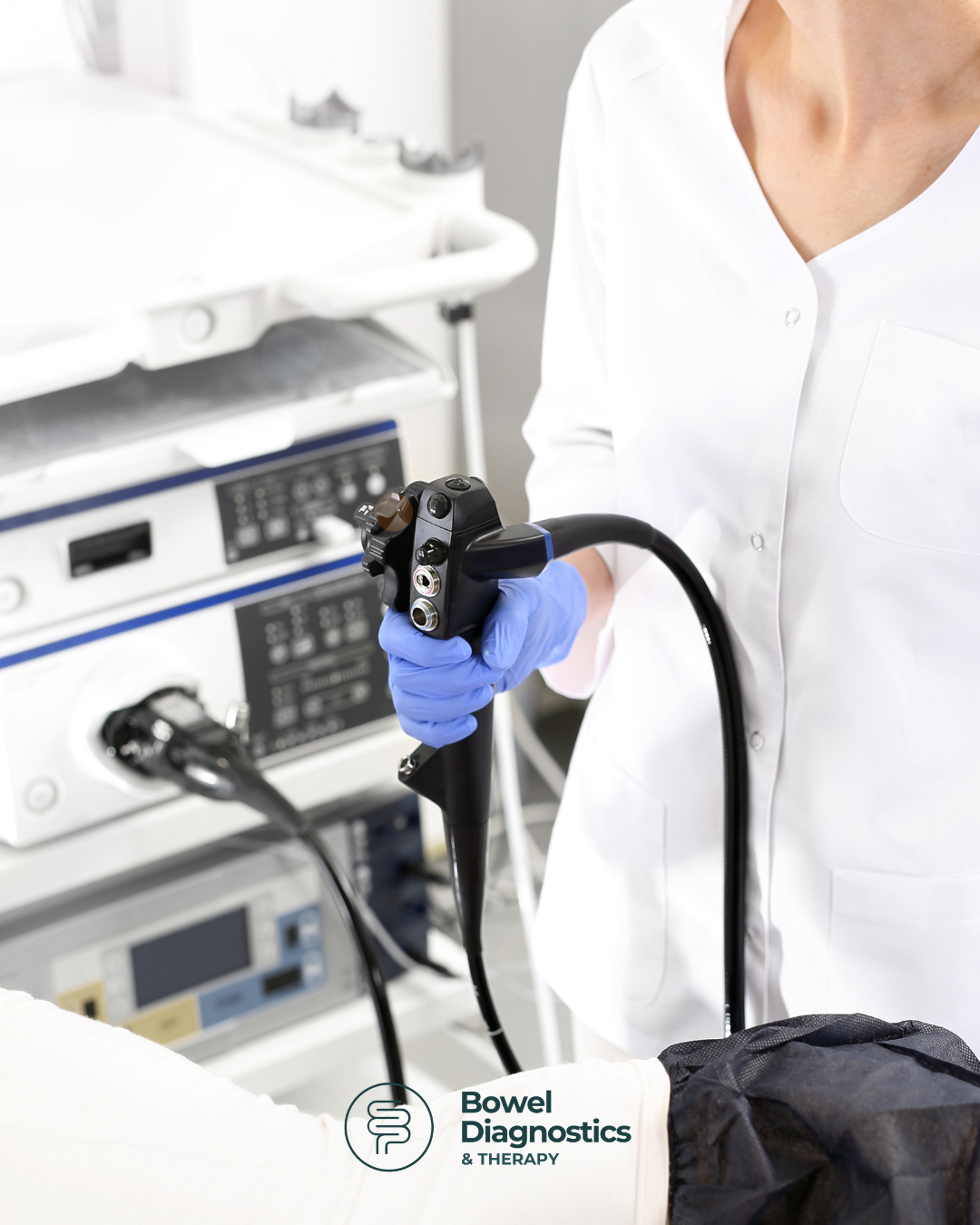
For most people, the anticipation of a colonoscopy is far worse than the reality. It is one of the most commonly performed procedures in Australia, and the majority of patients are surprised by how manageable the experience actually is.
Why Is a Colonoscopy Recommended?
A colonoscopy is recommended for investigation of persistent bowel symptoms such as anal or bowel bleeding, changes in bowel habits, or abdominal pain; follow-up of a positive national bowel cancer screening result; surveillance in people with a personal or family history of bowel polyps or bowel cancer; and investigation of suspected inflammatory bowel disease. It is both a diagnostic and therapeutic procedure.
Step One: Bowel Preparation (The Day Before)
Bowel preparation is the most challenging part of the process… and also the most important. A clear bowel is essential for accurate examination. Your preparation will involve a low-fibre or clear fluid diet starting one to two days before your procedure, and a bowel preparation solution to flush the bowel clear. You will pass frequent liquid motions for several hours. Plan to stay home. Once your stools run clear, your bowel is ready.
Step Two: Arriving for Your Procedure
You will need to fast before your procedure and arrange for someone to drive you home afterward: you cannot drive following sedation. On arrival the nursing team will check you in, confirm your medical history and medications, and insert an intravenous cannula for sedation.
Step Three: Sedation
Colonoscopies in Australia are performed under sedation. You will be comfortable, deeply relaxed, and have little or no memory of the procedure. You will be monitored throughout by a trained clinical team. This is not a general anaesthetic — it is conscious or deep sedation, depending on what is appropriate for you.
Step Four: The Procedure
The colonoscope is gently inserted and guided through the full length of the large bowel. The clinician carefully examines the bowel lining as the scope is withdrawn. If polyps are found, they are removed using small instruments passed through the scope. This is painless as the bowel lining has no pain receptors. Any tissue removed is sent to pathology for analysis.
Step Five: Recovery
After the procedure you will rest in recovery for 30 to 60 minutes while the sedation clears. Temporary bloating or cramping from air introduced during the procedure is normal and passes quickly. Before you leave, your clinician will discuss findings and next steps. Pathology results are typically available within one to two weeks.
Is a Colonoscopy Safe?
Yes. Colonoscopy is a well-established, safe procedure performed routinely across Australia. Serious complications are uncommon. Your clinical team will discuss any specific risks relevant to your situation before proceeding, and you will have the opportunity to ask questions and provide informed consent.
Do Not Let Anxiety About the Procedure Stop You
The most common feedback we hear from patients after a colonoscopy is that it was much easier than they expected. If one has been recommended and you have been putting it off, take the next step today.
Frequently Asked Questions
-
A colonoscopy procedure itself typically takes 20 to 45 minutes. Including preparation on arrival, the procedure, and recovery time, you should allow approximately half a day in total. You will need someone to drive you home afterward due to sedation.
-
A colonoscopy is performed under sedation, so most patients have little or no awareness of the procedure. The bowel lining has no pain receptors, meaning polyp removal is also painless. Some patients experience minor bloating or cramping after the procedure as air passes, but this resolves quickly.
-
At Bowel Diagnostics & Therapy, you can book an initial consultation without a GP referral to discuss whether a colonoscopy is appropriate for you. Your initial consultation is bulk billed. Colonoscopy costs and rebates will be discussed at your consultation.
-
Treatment depends on the underlying cause. Biofeedback therapy is highly effective for pelvic floor-related causes. IBS-related incomplete evacuation responds to dietary modification and targeted medications. Bowel retraining and laxative optimisation help constipation-related causes. A clinical assessment is the first step to identifying the right treatment, book an initial consultation at Bowel Diagnostics & Therapy to take the first step.
Get the answers and care that you deserve.
Book today • 10 locations in South East QLD
1300 888 608
No referral required. Initial consultations are bulk billed.
