
9 Surprising Reasons You Might Need an Endoscopy (And Why It’s Not a Bad Thing)
Many people feel anxious when they hear the word endoscopy, but this common procedure is far less intimidating than it sounds.
In fact, an endoscopy is one of the most effective ways for clinicians to understand what’s happening inside your digestive system.
If you’ve been experiencing unusual gastrointestinal symptoms or your doctor has suggested an endoscopic procedure, here are nine reasons why it may be recommended and why it’s more helpful (and far less scary) than you might think.
What Is an Endoscopy, Exactly?
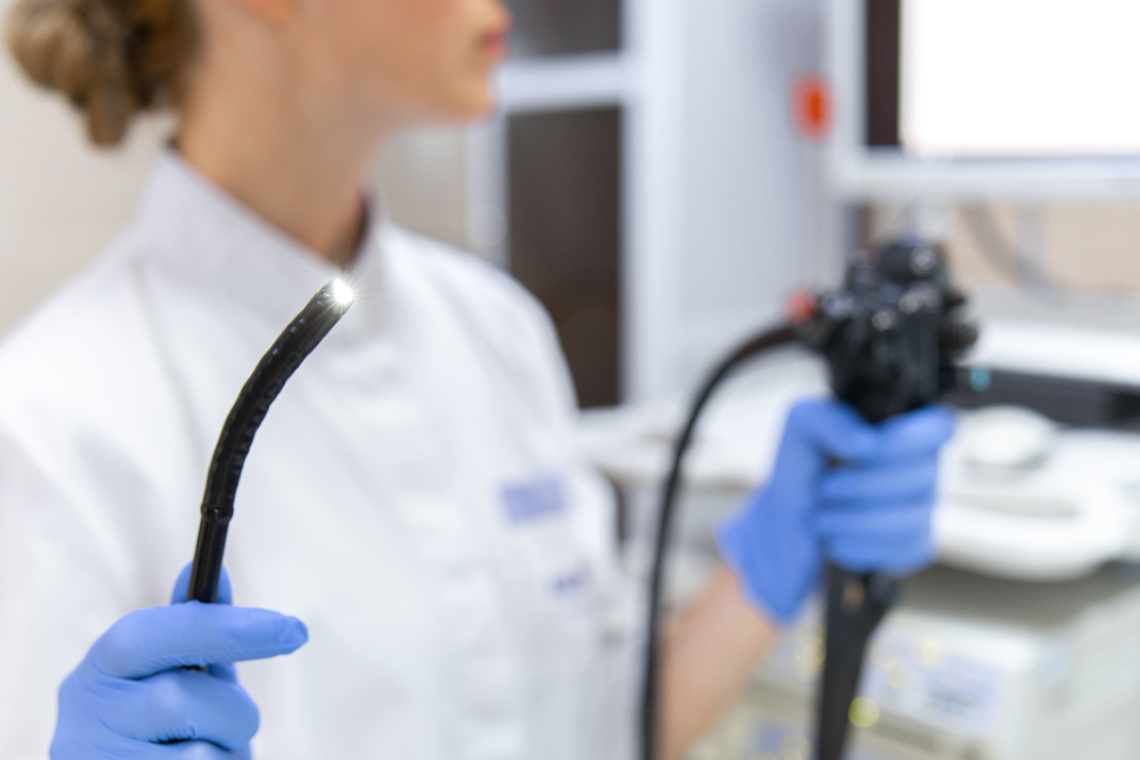
An endoscopy is a minimally invasive procedure that allows a doctor to see inside your digestive tract using a thin, flexible tube with a camera and light. Depending on your symptoms, it may be used to examine your oesophagus, stomach, small intestine, or bowel. It’s quick, low-risk, and one of the most effective diagnostic tools available for understanding gastrointestinal symptoms.
1. Persistent Digestive Symptoms That Don’t Improve
If you’ve been experiencing ongoing bloating, nausea, reflux, abdominal discomfort, or unexplained digestive symptoms, an endoscopy helps identify what’s happening internally — from inflammation to ulcers or structural changes. It’s like turning the lights on in a dark room full of question marks.
2. Unexplained Weight Loss
Unexpected weight loss can signal that your digestive system isn’t absorbing nutrients properly. An endoscopy allows your doctor to investigate potential causes such as inflammation, infection, or other conditions affecting your gut function.
3. Ongoing Heartburn or Reflux
Occasional heartburn is common, but persistent reflux may need investigation. An endoscopy helps check for conditions such as oesophagitis, ulcers, or Barrett’s oesophagus. Early assessment supports long-term health and can reduce complications if left untreated.
4. You’ve Noticed Blood
Seeing blood in stool or vomit can feel alarming, and it’s important to understand why it’s happening. An endoscopy helps locate the bleeding source and, in many cases, can treat the issue during the procedure.
5. Your Doctor Has Recommended Screening
If you’re 45+ or have a family history of bowel cancer, you may need screening to assess your digestive health. Some forms of endoscopy — including colonoscopy — can detect early changes, remove precancerous polyps, and support long-term bowel health.
6. Monitoring an Existing Condition
If you’ve been diagnosed with coeliac disease, Crohn’s disease, ulcers, or other chronic gastrointestinal conditions, your doctor may recommend regular endoscopic reviews. This helps track changes and ensures your treatment plan is working effectively.
7. You Need a Biopsy
When tissue samples are required for diagnosis, an endoscopy allows your doctor to collect them safely and comfortably — without surgery. This supports accurate diagnosis and faster treatment planning.
8. You Accidentally Swallowed Something You Shouldn’t Have
It happens — kids (and adults) occasionally swallow objects like coins, batteries, or small items. An endoscopy can help locate the object and, in some cases, remove it quickly and safely.
Final Thoughts Don’t Fear the Scope
Needing an endoscopy doesn’t mean something is seriously wrong — it means your symptoms deserve proper attention. This simple procedure can bring clarity, provide reassurance, and guide you toward the right treatment.
Your Next Step
Our team at Bowel Diagnostics & Therapy can guide you through the process of booking an endoscopy. Click HERE, phone 1300 888 608 or visit our website www.boweldoctors.com.au