
Faecal incontinence, or the inability to control bowel movements, resulting in accidental leakage of stool, affects an estimated 10 to 20% of Australian adults and is significantly undertreated.
Common causes include damage to the anal sphincter from childbirth or surgery, nerve damage, pelvic floor dysfunction, diarrhoea-predominant IBS, and chronic constipation causing overflow incontinence. Effective treatments exist for most causes, including dietary modification, biofeedback therapy, medications, and in some cases surgery.
At Bowel Diagnostics and Therapy, faecal incontinence is assessed and managed without judgement, and initial consultations are bulk billed with no referral required.
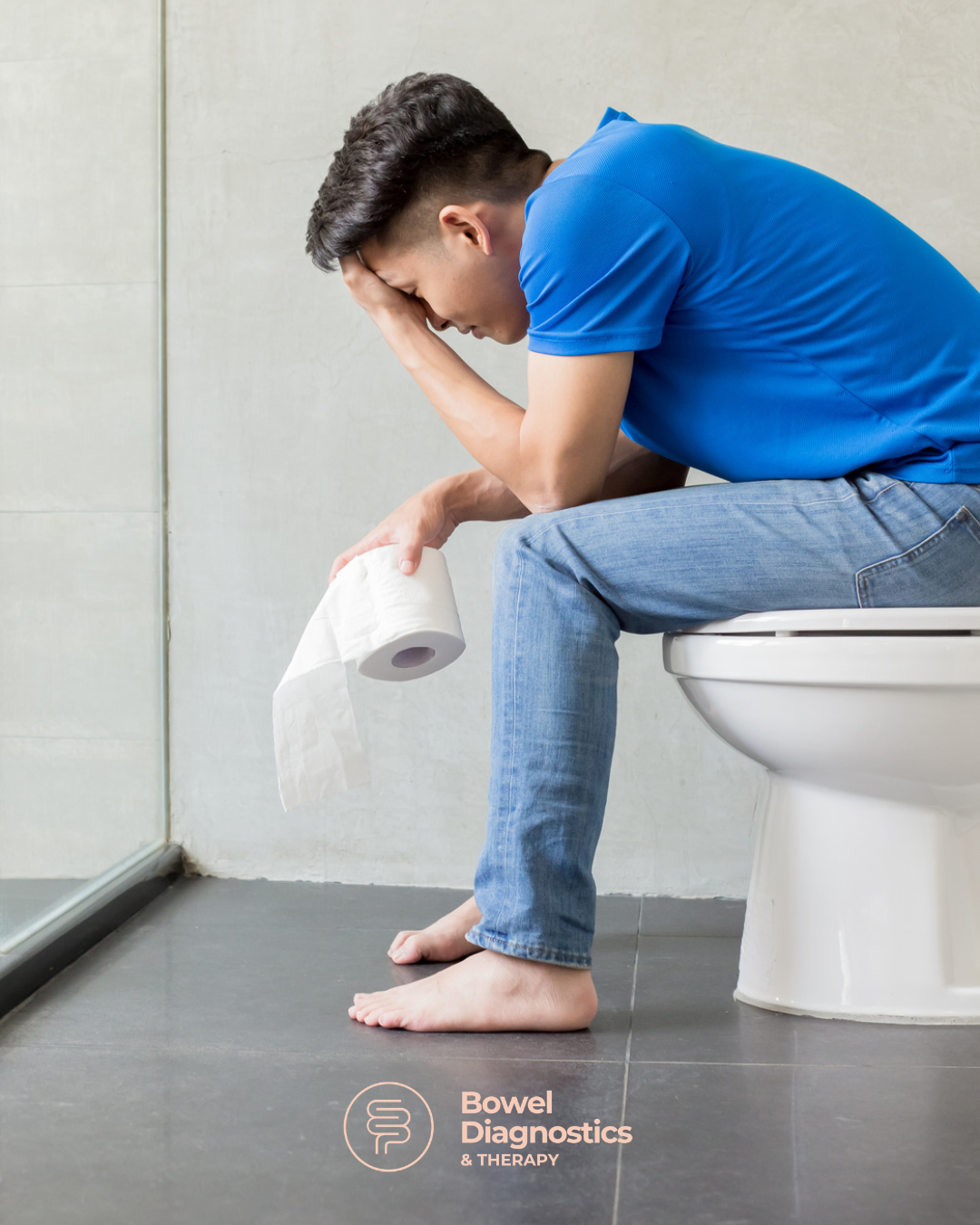
If you have experienced accidental leakage of bowel contents, you are not alone, and you are not beyond help.
Faecal incontinence affects an estimated 10 to 20 percent of Australian adults at some point in their lives, yet the vast majority never raise it with a clinician. Instead, they quietly reorganise their lives around it: avoiding social situations, planning every outing around toilet access, and carrying a level of anxiety that most people around them never see.
This does not have to be your life. Faecal incontinence is treatable, and the first step is understanding what is causing it.
What Is Faecal Incontinence?
Faecal incontinence refers to the involuntary loss of stool, liquid, or mucus through the rectum. It can range from occasional leakage of small amounts to a more complete and unpredictable loss of bowel control.
Passive incontinence occurs when stool passes without awareness or sensation. Urge incontinence involves a sudden, strong urge to open the bowels that cannot be controlled in time. Many people experience both.
What Causes Faecal Incontinence?
Faecal incontinence can result from a range of underlying causes, including damage to the anal sphincter muscles from childbirth, surgery, or injury; nerve damage related to long-term straining, diabetes, or neurological conditions; rectal prolapse or rectocele; diarrhoea-predominant IBS and conditions causing loose or frequent stools; chronic constipation and overflow incontinence; and pelvic floor dysfunction affecting the coordination of bowel control muscles.
In many people, more than one contributing factor is involved, which is why a thorough clinical assessment is essential before any management plan is put in place.
Why Do So Many Australians with Faecal Incontinence Never Seek Help?
The primary reason is embarrassment. Many people also assume nothing can be done — that bowel leakage after childbirth or surgery is permanent, or that it is simply a consequence of getting older. This is not accurate. Effective, evidence-based treatments exist for most causes of faecal incontinence, and the earlier the condition is assessed, the better the outcomes.
How Is Faecal Incontinence Assessed in Australia?
At Bowel Diagnostics and Therapy, faecal incontinence is assessed thoroughly and without judgement. Your clinician will take a detailed history covering the nature and frequency of your symptoms, your bowel habits, and relevant medical and surgical history.
Investigations may include anorectal physiology testing to assess the function of the muscles and nerves involved in bowel control, and endoanal ultrasound to assess the structural integrity of the sphincter muscles.
What Treatments Are Available for Faecal Incontinence?
Treatment depends on the underlying cause but effective options exist for most presentations. These include dietary modification to optimise stool consistency, biofeedback therapy to retrain sphincter function and bowel control, medications to regulate bowel habit or reduce urgency, and in appropriate cases, injectable agents or surgical sphincter repair.
You Do Not Have to Keep Managing Around This
If you have been quietly reorganising your life around bowel leakage or urgency, please know that help is available and that this is a medical condition, not a personal failing.
Frequently Asked Questions
-
Loss of bowel control — known as faecal incontinence — is commonly caused by damage to the anal sphincter muscles from childbirth or surgery, nerve damage, pelvic floor dysfunction, diarrhoea-predominant IBS, and overflow incontinence from chronic constipation. In many people, more than one factor contributes.
-
Yes. Faecal incontinence is treatable in most cases. Effective options include dietary modification, biofeedback therapy, medications to regulate bowel habit, and in appropriate cases surgical repair. The earlier the condition is assessed, the better the outcomes.
-
Faecal incontinence affects an estimated 10 to 20% of Australian adults at some point in their lives. It is significantly underreported because of embarrassment, meaning many people never seek the help that is available to them.
-
No. At Bowel Diagnostics and Therapy, you can book an initial consultation without a GP referral. Your first appointment is bulk billed, meaning no out-of-pocket cost.
Get the answers and care that you deserve.
Book today • Find your nearest clinic in South East QLD
1300 888 608
No referral required. Initial consultations are bulk billed.
